If Amazon e-commerce efforts drive a significant portion of your revenue, you're likely already in the midst of damage control due to the recent reporting updates. While Amazon sometimes frames these as "upgrades," the reality for publishers is a bit more complicated as the past week has shown.
It is likely that Amazon’s main motivation for these changes is to create some much needed updates to their backend, but for the average commerce-focused publisher, it might feel like you're losing some (if not most) of the visibility you’ve relied on for years.
The Big Shift: Privacy Vs. Precision
The headline change is how Amazon handles data granularity. Whether it's to align with global privacy trends, or to keep their data closer to their chest, Amazon is moving away from showing every single micro-transaction.
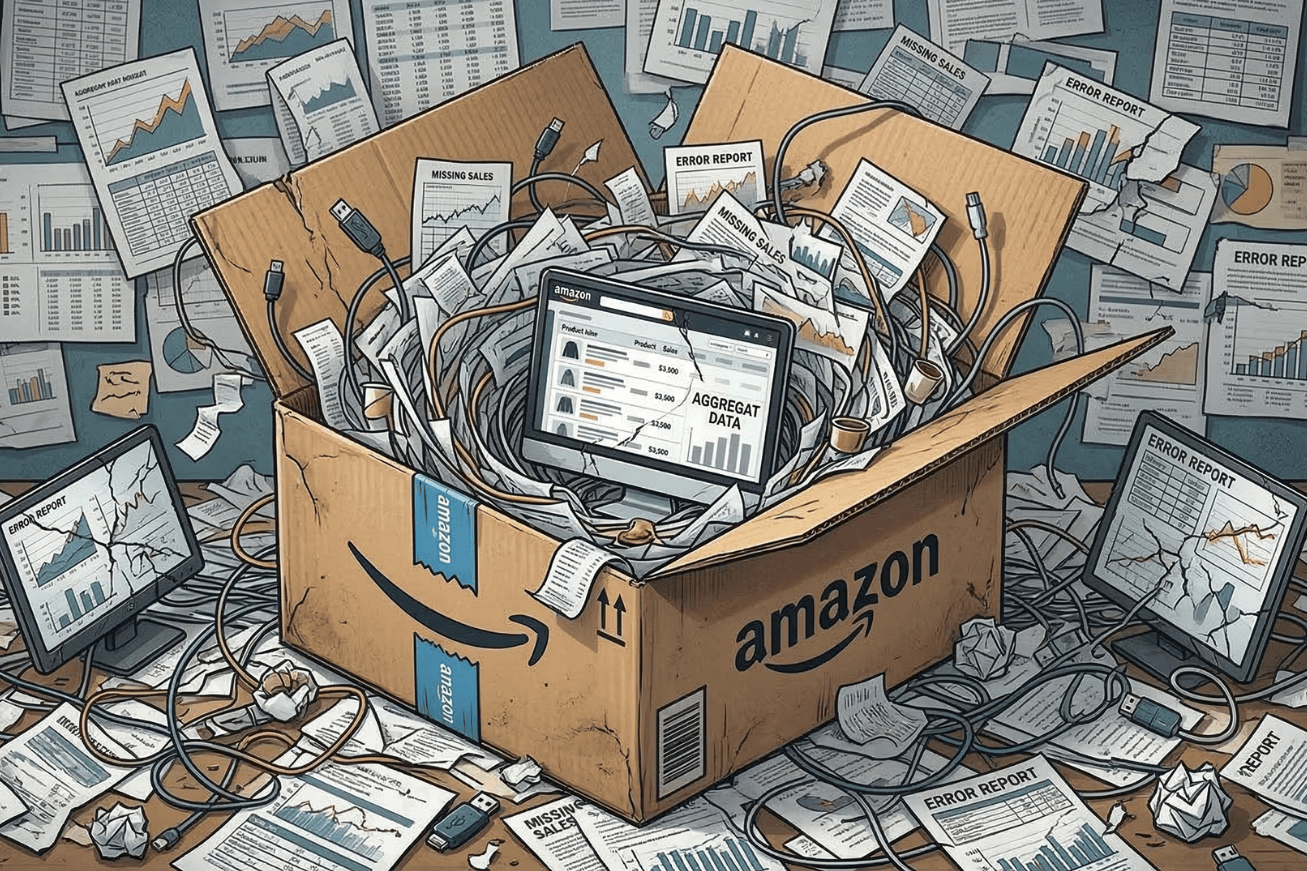
Aggregated Data is the new reality You’ll see more "summarized" rows. i.e. if a specific product doesn’t hit a certain volume threshold, it won't show up as an individual line item.
The Kueez Take: This makes it harder to know exactly which niche product recommendations are working. If you’re used to optimizing your content based on specific item sales, in many cases, you’re going to have to start looking at "category performance" rather than "product performance.
3 Ways to Prepare
You don’t need to overhaul your entire business, but you should probably make these three moves as the new reporting becomes the standard:
- Check Your API Connections: If you use third-party tools to pull your Amazon data, make sure they are updated to the latest Creators API. Old reporting methods are being phased out, and you don't want your dashboards to go dark.
- Focus on Intent, Not Just Clicks: Since Amazon is giving us less data on the "back end" (the sale), we need to get better at tracking the "front end" (the reader's journey on your site). Utilize real-time user behavior tracking on your site through strong analytics solutions. The key is investing in first-party data to understand the reader's journey before they click through to Amazon.
- Diversify Your Product Catalog: Since low-volume items will now be hidden in "Aggregated" rows, it’s worth focusing your content on higher-volume categories where you can still get enough data to make informed decisions. This may also require developing internal prediction models and capabilities to compensate for any lost data.
How we’re handling it at Kueez
At Kueez, we partner with premium publishers to help them scale their commerce efforts profitably through social audiences.
We see this recent shift as just another reminder to avoid relying solely on platform-provided data. After cracking the best ways to win with the new reporting, we enhanced our end-to-end performance marketing platform with updated logics, funnels and advanced prediction models, allowing us to reduce the uncertainty in the new reporting. This way we can make better and faster decisions when it comes to our optimization, especially at the scale we operate in. The more you understand your audience’s behavior on your own site, and how to leverage those insights, the less you need to depend on what's happening inside Amazon’s "black box.
The reporting might be changing, but the core of the job remains the same: creating great content that helps people find the right products at scale.
If you want to understand how Kueez can help you thrive despite these new changes, feel free to reach out.

.avif)